
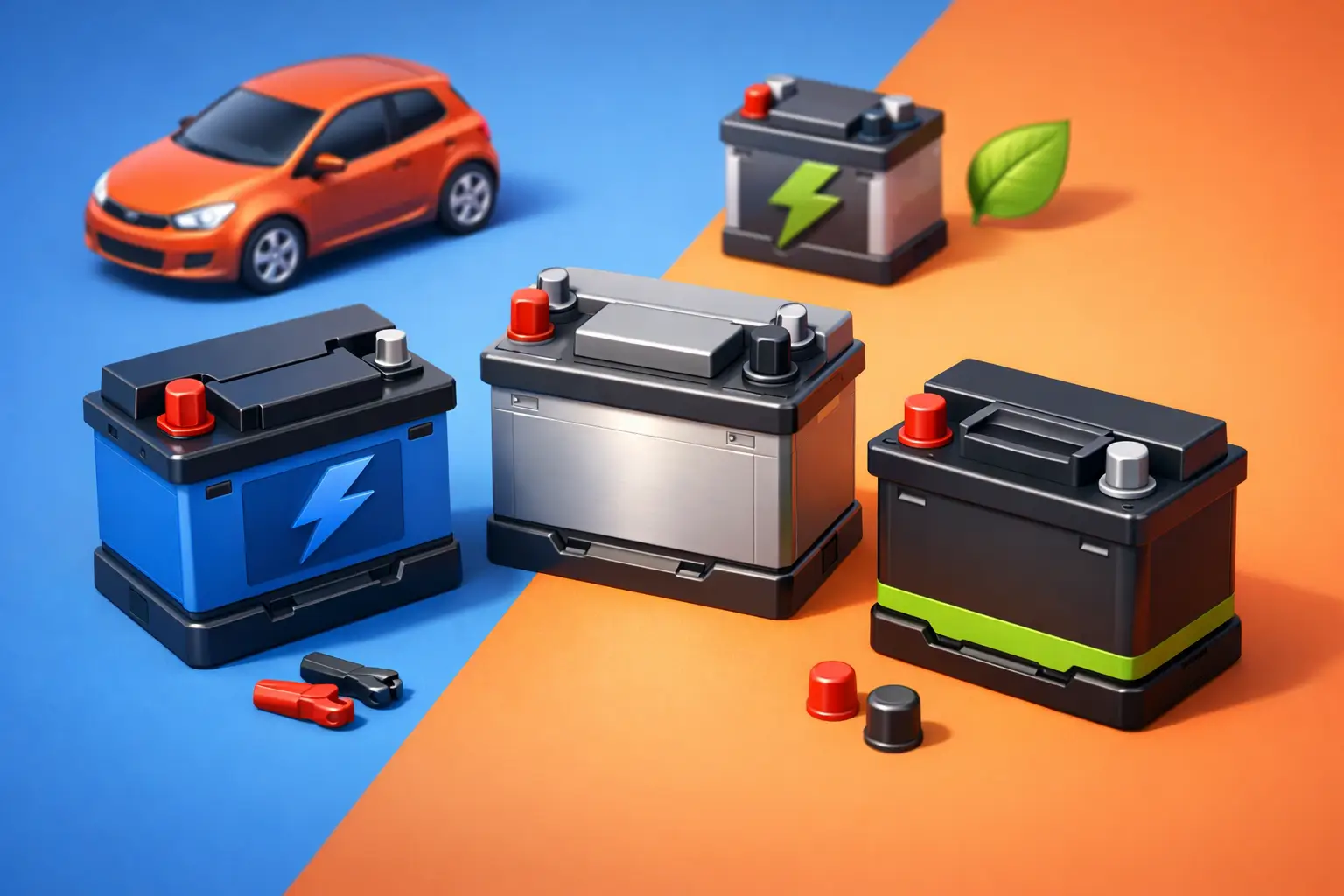
A battery that is a few millimetres too tall, a few amps short on cranking power, or simply the wrong terminal layout can turn a quick replacement into wasted time. That is usually the problem with small auto batteries – they look simple, but the details matter if you want reliable starts and no avoidable electrical faults.
For everyday motorists, a small battery might be for a hatchback, compact SUV, motorcycle, ride-on mower, jet ski, or a second vehicle that does short trips. For trade vehicles and fleet operators, small batteries also show up in auxiliary systems, alarm backups, mobility gear, and specialist applications where space is tight. In all cases, the right battery is not just about whether it physically fits the tray. It also needs to suit the vehicle’s electrical load, charging system, and actual use.
Why small auto batteries need careful matching
A smaller battery has less room for error than a larger one. If the reserve capacity is marginal and the vehicle does lots of stop-start use, short runs, or sits idle between jobs, performance drops off quickly. You may still get enough power to crank the engine for a while, but voltage can fall away under load and that starts affecting other systems.
Modern vehicles, even small ones, often ask more of a battery than people expect. Alarms, immobilisers, dash cameras, GPS units, Bluetooth systems, interior electronics, and aftermarket accessories all place a steady demand on the battery. In a work vehicle, add site beacons, inverter use, fridge units, or trailer lighting checks, and a battery that looked adequate on paper may not stay healthy for long.
That is why battery selection should always account for how the vehicle is used, not just the model listed in a parts catalogue. The catalogue gets you close. Real-world use tells you what will last.
What matters when choosing small auto batteries
The first check is physical size. Length, width, height, hold-down style, and terminal position all need to match. A battery that is technically compatible but sits poorly in the tray or leaves the leads under tension can create vibration issues, poor connections, or damage over time.
The second is cranking power. Cold cranking amps still matter in New Zealand conditions, even without extreme winters. A battery needs enough output to start reliably on cold mornings and after a vehicle has been sitting. Go too low and you risk slow cranking, especially as the battery ages.
The third is reserve capacity or amp-hour rating, depending on application. This becomes important where the battery supports accessories or where the vehicle does short runs that do not fully recharge it. For many drivers, this is where the trade-off sits. A compact battery may fit perfectly, but if the vehicle carries ongoing electrical load, the smallest option is not always the best option.
Battery type also matters. Standard flooded lead-acid batteries are still common and cost-effective, but AGM batteries can be a better choice in some vehicles and equipment, particularly where vibration resistance, spill resistance, or repeated cycling is part of the job. They usually cost more, so the question is whether the application justifies it.
Small auto batteries and short-trip driving
Short-trip driving is hard on batteries. The starter draws a heavy burst of current, then the alternator needs time to replace that charge. If the vehicle only does school runs, local deliveries, or stop-start site visits, the battery rarely gets back to full charge. Over time, that can shorten service life.
This is one reason people are often surprised when a battery fails “early”. The battery itself may not be faulty. The usage pattern is simply tougher than expected. A small car that only moves a few kilometres at a time can be harder on a battery than a larger vehicle doing steady motorway runs every day.
If that sounds familiar, it is worth looking beyond the battery alone. Charging voltage, parasitic draw, and accessory use should all be checked. Replacing the battery without dealing with the cause can leave you in the same place a few months later.
Common signs the battery is on the way out
Most batteries give some warning before they fail completely, but it is often missed until the vehicle will not start. Slow cranking is the obvious one. You may also notice dimmer lights at start-up, electrical accessories behaving oddly, or the battery needing a jump-start after sitting for a short period.
In compact vehicles, voltage-related faults can show up in ways that seem unrelated to the battery. Warning lights, intermittent sensor issues, or systems resetting themselves can all be battery or charging related. That is why testing matters. Guesswork wastes time and often money.
For commercial users, any hesitation in starting is worth acting on early. A battery that just manages to start in the yard may fail at a customer site, depot, or loading zone. The cost of downtime usually outweighs the cost of replacing a battery before it fully gives up.
When the cheapest option is the wrong option
There is a place for budget-conscious battery replacement, especially in older vehicles or low-use equipment. But the cheapest battery is not always the cheapest outcome. If it has lower reserve capacity, shorter service life, or weaker build quality, you may end up paying twice through repeat replacement or lost time.
This matters more for fleets, tradies, and anyone running to schedule. A no-start on a private vehicle is inconvenient. A no-start on a work vehicle can affect jobs, staff, customers, and delivery windows. In those situations, value is about fit-for-purpose reliability rather than lowest upfront price.
Trusted brands, correct specifications, and proper testing are worth more than a battery that looks like a bargain until winter arrives or accessory load increases.
Fitting and testing are part of the job
A battery swap should be straightforward, but modern vehicles can make it more complicated. Some need memory support during replacement. Others have battery sensors, registration requirements, or charging strategies that rely on the correct type being installed. Even on simpler vehicles, poor terminal condition or hidden charging faults can shorten the life of a brand-new battery.
That is why proper battery service includes more than fitting the new unit. Battery terminals should be checked for corrosion, cable connections inspected, and charging output tested. If the alternator is undercharging or overcharging, the battery will suffer either way.
For vehicles that cannot easily come into a workshop, mobile support makes a real difference. A fast diagnosis on site can confirm whether the problem is the battery, the charging system, a draw issue, or a separate starting fault. That avoids replacing parts that were never the problem.
Choosing for passenger vehicles, utes and light commercial use
Not every small battery application is the same. A compact petrol car doing regular commuting may be fine with a standard replacement that meets original spec. A ute with extra lighting, a dash cam, mobile chargers, and irregular run times may need a stronger option within the same case size.
If the vehicle sits unused for stretches, battery maintenance becomes more important. Low-use vehicles often fail batteries through discharge rather than age alone. On the other hand, a high-use vehicle with constant accessory demand can wear out a battery through cycling and heat.
The practical approach is to match the battery to the vehicle’s real workload. If there are added electrical accessories, repeated short trips, or known vibration exposure, say so before the battery is selected. A better match at the start usually saves a call-out later.
Why businesses should stay ahead of battery failures
For fleet managers and operators, batteries are one of the easiest failure points to manage proactively. They are also one of the easiest to ignore until a driver is stranded. Routine checks, consistent replacement standards, and quick access to supply and fitting can cut a lot of avoidable downtime.
Small auto batteries are especially easy to overlook in mixed fleets because the focus often goes to the larger truck and trailer systems. But pool cars, supervisor vehicles, site utes, small vans, and auxiliary equipment all rely on batteries that are working properly every day. If they are not checked, they fail at the least convenient time.
This is where a specialist auto electrical provider adds value. Simms Electrical deals with battery supply, testing, diagnostics, workshop fitting, and mobile support, which means the fix is based on the actual fault rather than a guess at the counter.
Getting the right result the first time
If you are replacing a battery, bring more than just the old unit’s dimensions into the decision. Think about how the vehicle starts, how often it runs, what accessories are fitted, and whether there have been any electrical symptoms besides slow cranking. Those details matter.
A small battery does not mean a small decision. The right one gives reliable starts, stable voltage, and fewer interruptions. The wrong one may still fit the tray, but it will usually show its limitations when you are already late, already loaded up, or already on the road.